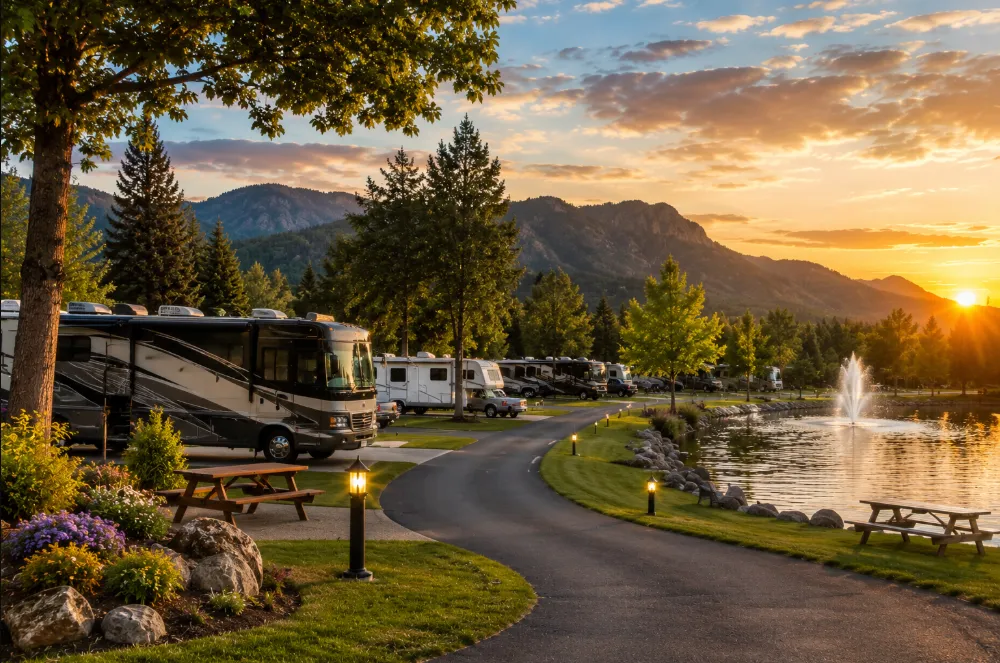
15 Campground Marketing Ideas to Help Fill More Sites
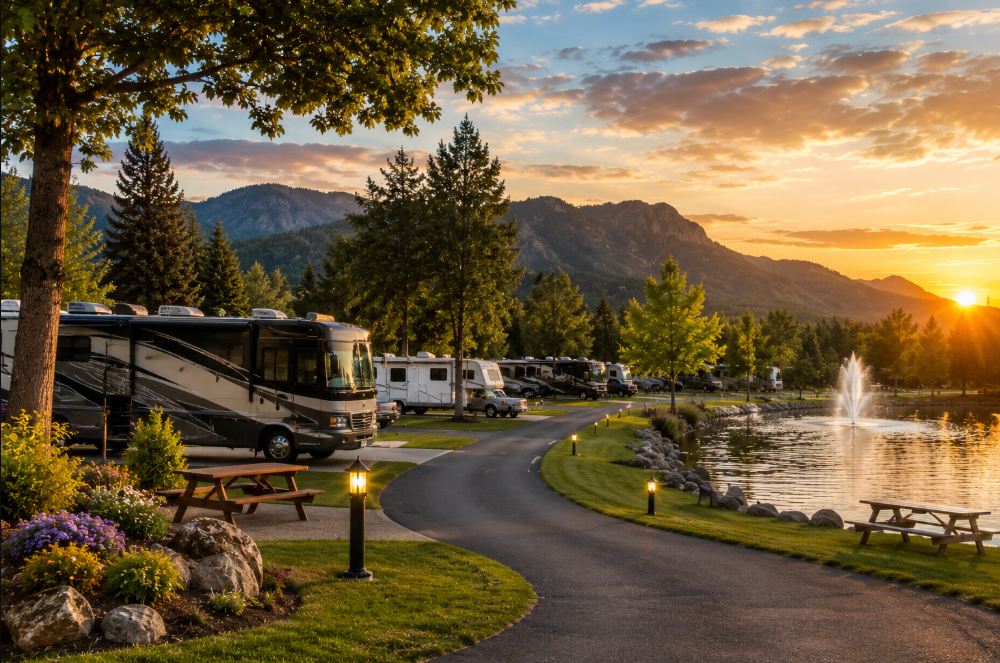
An empty Tuesday and a sold-out Saturday are two different marketing problems. Before buying another ad or posting another sunset photo, decide which sites and dates you actually need to sell. That choice makes every marketing idea below more useful.
This guide is for owners who want a workable plan, not a longer list of things to do. Choose two or three ideas that match your inventory, assign someone to them, and measure whether they bring suitable guests.
Start with a specific booking goal
Write the goal in plain language: fill ten full-hookup sites on weekdays in November, increase qualified monthly inquiries, or sell more cabin stays during the spring opening period. Those are planning examples, not promised results. Give each goal a date range, an inventory type, and a way to count success.
Keep occupancy and revenue together. A discounted reservation can increase occupancy while contributing little after cleaning, utilities, transaction costs, and advertising. Check those costs with your own records before promoting a rate.
1. Make each site type easy to understand
A guest should not need to call just to learn whether a fifth wheel fits. Publish verified maximum lengths, hookup details, pull-through or back-in access, parking arrangements, and meaningful differences between site categories. Include a real photograph of each category rather than using one attractive image for everything.
If measurements vary by site, say so and explain how guests confirm fit. Clear specifications help both online bookers and the front desk. They also give your marketing a useful destination beyond a general homepage.
2. Test your booking path from a phone
Open the site as a new visitor. Find a suitable site, select actual dates, check the price and policies, and reach the final review screen. Stop before charging a card unless you have an approved test procedure. Record confusing labels, missing information, unexpected fees, and broken links.
Ask someone unfamiliar with the park to repeat the exercise. Owners often know where a button goes because they helped build the site. A first-time visitor does not have that advantage. Our booking optimization service focuses on this practical journey.
3. Build a page for monthly stays
Monthly guests need different information from weekend travelers. Explain application or inquiry steps, utility billing, availability checks, vehicle requirements, and the rules that affect longer stays. Publish only terms you have verified with your operation.
Give monthly visitors an appropriate inquiry form rather than sending every guest into a nightly calendar. Keep availability language current. A page that says “monthly sites available” for months after inventory fills creates unnecessary calls and disappointment.
4. Refresh the information guests find on Google
Review your business name, address, website link, phone number, hours, and map pin. Check whether the listed amenities and photographs still describe the park. Use the business name you actually operate under instead of adding a string of search phrases.
Google's local ranking guidance explains that local visibility depends on several factors, including relevance and distance. Accurate information is useful work; a guaranteed map position is not a reasonable promise.
5. Create helpful destination pages
Answer real trip-planning questions about the area: how far your park is from the lake entrance, which route suits large rigs, or what a guest can do during a rainy afternoon. Verify drive times and access restrictions rather than copying a tourism directory.
Tie each page to a stay your property can serve. A nearby attraction with no meaningful connection to your guests does not deserve a thin page just because its name is popular. Link relevant destination information to site types and the reservation path.
6. Show the approach and arrival process
A short drive-in video can answer questions a beautiful aerial photograph cannot. Show the correct entrance, check-in location, and any important turn or gate procedure. Film from a safe, practical position and avoid showing guest information, access codes, or identifiable people without permission.
Add arrival instructions to the website and appropriate guest communications. Better expectations can reduce confusion before a stay begins. Review the content whenever roadwork or check-in procedures change.
7. Give weekday guests a reason to visit
Look for a genuine weekday advantage: quieter trails, flexible arrival, a local attraction open midweek, or an activity your staff can reliably deliver. Describe the experience and dates clearly. Do not default to a permanent discount that guests learn to expect.
Check booking restrictions too. A minimum-stay setting may unintentionally block the dates you are advertising. Marketing and inventory rules need to tell the same story.
8. Reintroduce the park to previous guests
Use an appropriately maintained marketing list to share a new amenity, seasonal opening, or specific upcoming availability. Segment by interests where your records support it. A family that booked a cabin may need a different message from a monthly RV guest.
Keep promotional emails separate from essential arrival messages. Make the reason to return clear and provide one relevant next step. Respect opt-outs and your email provider's rules.
9. Turn front-desk questions into useful content
Ask staff to record recurring questions for two weeks. “Can we arrive after dark?” and “Which sites have shade?” can reveal missing website information. Group related questions into a helpful page instead of publishing a tiny article for every variation.
This is also a good way to find inaccurate promises. If callers repeatedly expect an amenity you do not offer, trace that expectation back to the listing, photograph, or ad that created it.
10. Ask for honest reviews consistently
Invite feedback from eligible guests through a neutral process. Make the review link easy to find, and respond to concerns professionally. Do not offer a free night for a five-star review or ask only guests who first rated their stay positively.
Google's review guidance is a useful reference for the process. Review requests should support honest feedback and better operations, not manufacture a reputation.
11. Match advertising to available inventory
If your premium sites are full, an ad featuring only those sites can waste attention. Promote the accommodation and dates you can actually sell. Confirm that the landing page and booking engine carry the same offer and restrictions.
For paid search, separate materially different goals such as overnight travel and monthly inquiries. For social advertising, use property footage that explains why the stay is appealing. Both need a useful page after the click.
12. Check the directories guests already use
Search your park name and note the camping directories and travel listings that appear. Correct stale phone numbers, outdated photos, and wrong booking links on relevant profiles. Start with the places that already bring inquiries rather than purchasing every available upgrade.
Keep a simple ownership record with the listing URL, person responsible, and last review date. That prevents the same outdated information from resurfacing after staff changes.
13. Build partnerships around actual trips
A fishing guide, wedding venue, race organizer, or local attraction may serve visitors who need accommodation. Ask what information their customers need, and provide a useful park page they can share. Confirm that your sites and arrival process fit the event.
Make any referral arrangement clear. The useful connection is between a real trip and a suitable stay, not a pile of unrelated reciprocal links.
14. Photograph the details people compare
Capture site spacing, hookups, bathhouses, pet areas, pools, cabins, and views honestly. Include context so guests understand scale. Photograph accessible features accurately without making unsupported accessibility claims.
If you need new assets, our optional photography, video and drone service is $500 plus travel, separately priced from the website package.
15. Review results by guest type
Track qualified inquiries, completed reservations where measurement supports them, booked nights, and revenue by campaign. A phone tap is not a confirmed booking. Ask the front desk which inquiries actually fit available inventory.
After a month, keep the ideas that show useful signals and fix obvious execution problems before adding more channels. The right next step may be a clearer page rather than a larger advertising budget.
Your first 30 days
In week one, choose the inventory goal and test the booking journey. In week two, correct the most important information gaps and update one listing. In week three, launch one focused promotion. In week four, compare inquiries and reservations with your starting point, allowing for seasonality and availability changes.
Need help putting the foundation together? Explore our campground marketing approach. The core website and Local SEO package is $299 per month, with optional services priced separately. Tell us about your park and the dates or site types you want to improve.
